
Repairing Damaged Hair
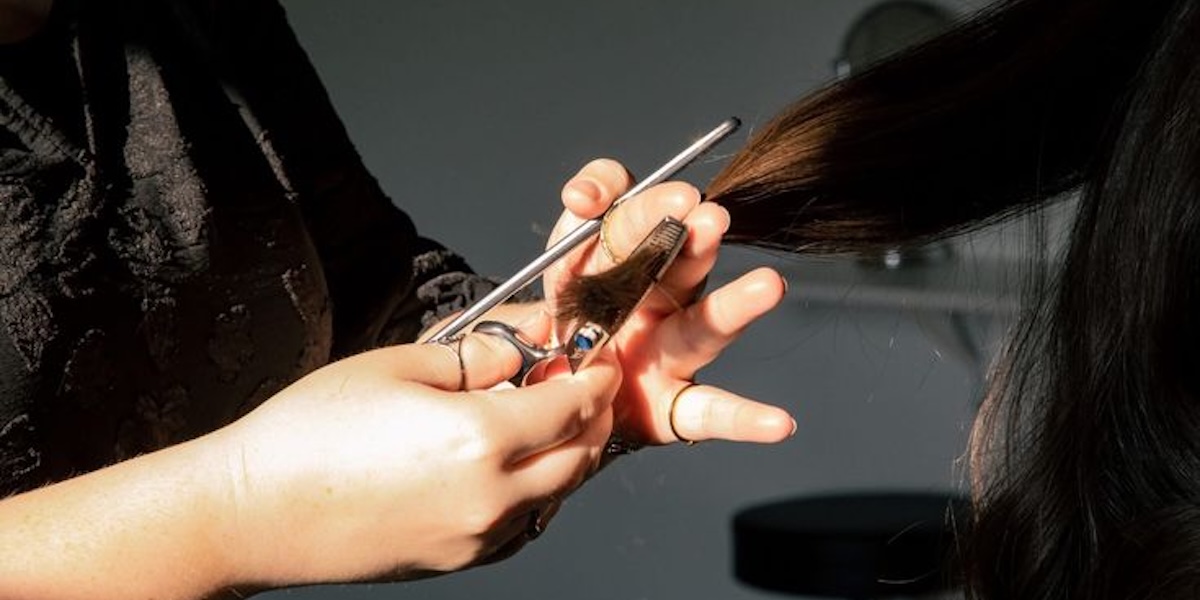
Hair damage happens gradually—through heat styling, chemical treatments, environmental exposure, or even everyday friction. While it may feel like the only solution is cutting it all off, many types of damage can be improved with the right approach.
The first step is identifying the cause. Excessive heat styling, for example, weakens the hair structure, while over-processing can strip moisture and elasticity. Once you understand the source, you can adjust your routine accordingly.
Deep conditioning treatments are one of the most effective ways to restore moisture. Masks rich in proteins and oils help strengthen and soften hair over time. However, balance is important—too much protein can make hair feel stiff, while too much moisture can leave it weak.
Reducing heat usage is another key factor. When heat is necessary, using a protectant can minimize further damage. Switching to lower temperatures and limiting frequency can make a noticeable difference over time.
Small habits also matter. Using a microfiber towel or cotton T-shirt instead of a rough towel reduces breakage. Sleeping on a silk or satin pillowcase can prevent friction while you rest.
Repairing hair isn’t immediate—it’s a gradual process. With consistent care and patience, hair can regain strength, shine, and resilience.